Conservation Photos Part V: Landscapes II

Because, well, why not?

coast

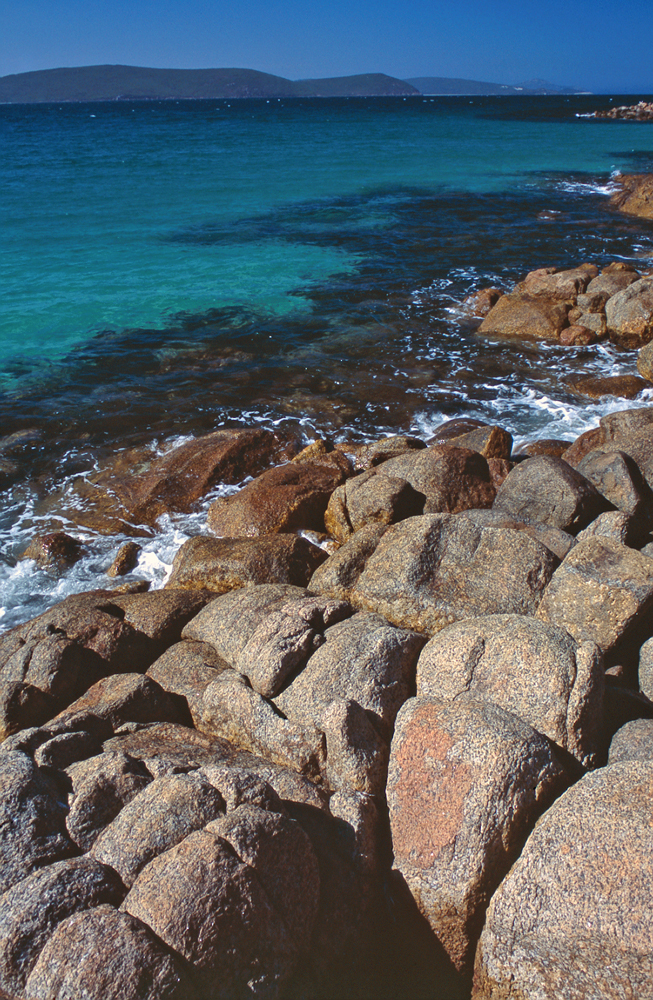
The stunning coast of Albany, Western Australia


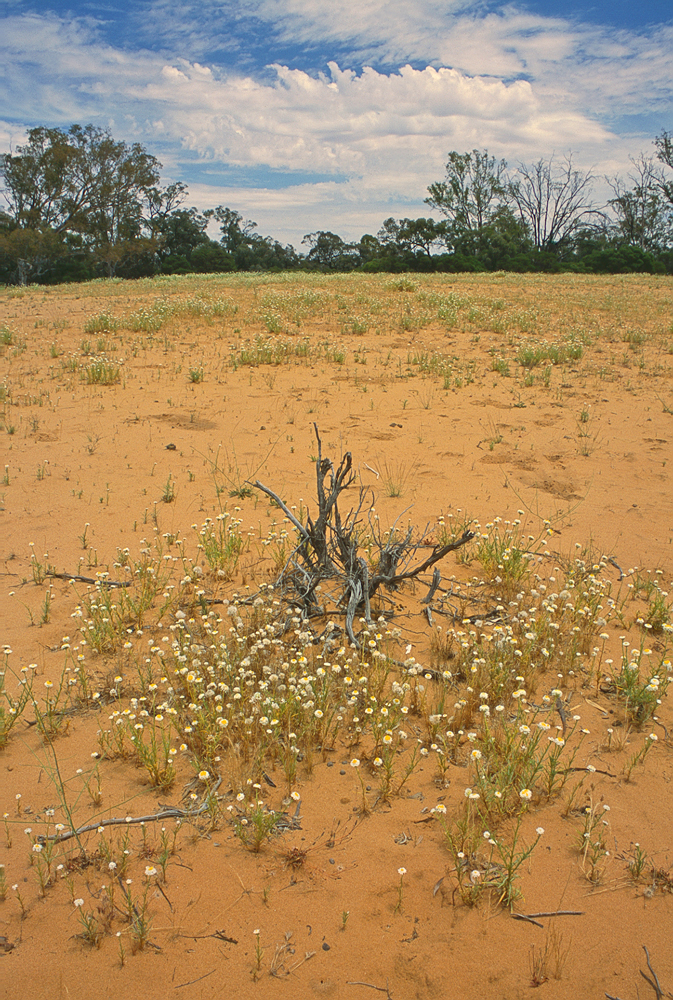
Desert blooms on a Lindsay Island sand dune, Victoria

Desert blooms on a Lindsay Island sand dune, Victoria


Native Pine (Callistris) battling out on a granite scree, Girraween National Park, Queensland

Native Pine battle it out on a granite scree, Girraween NP, Queensland


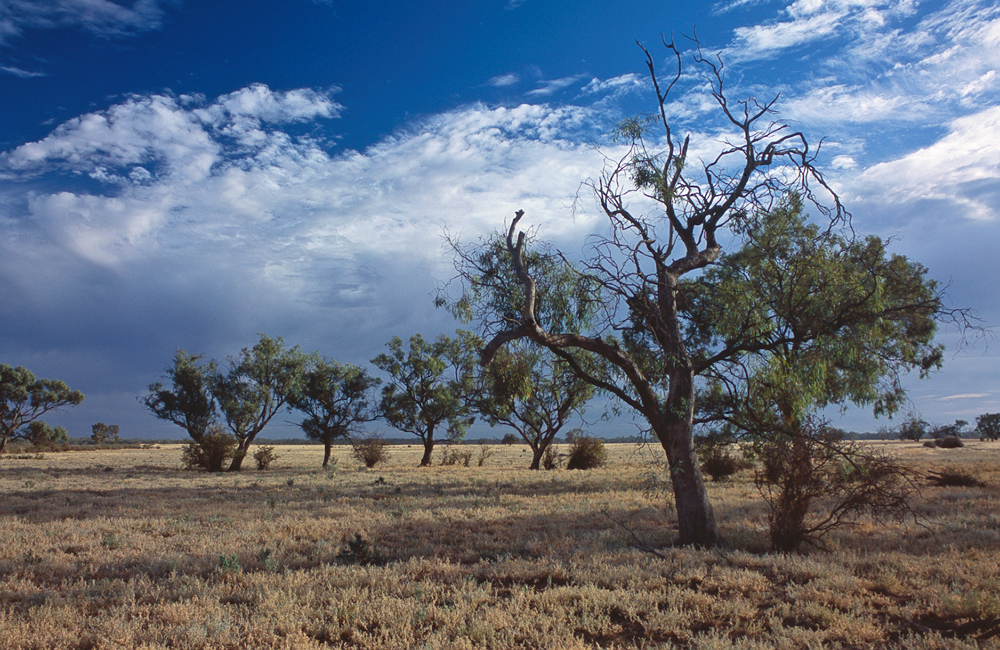
Ominous skies over south-western Western Australia

Ominous skies over south-western Western Australia


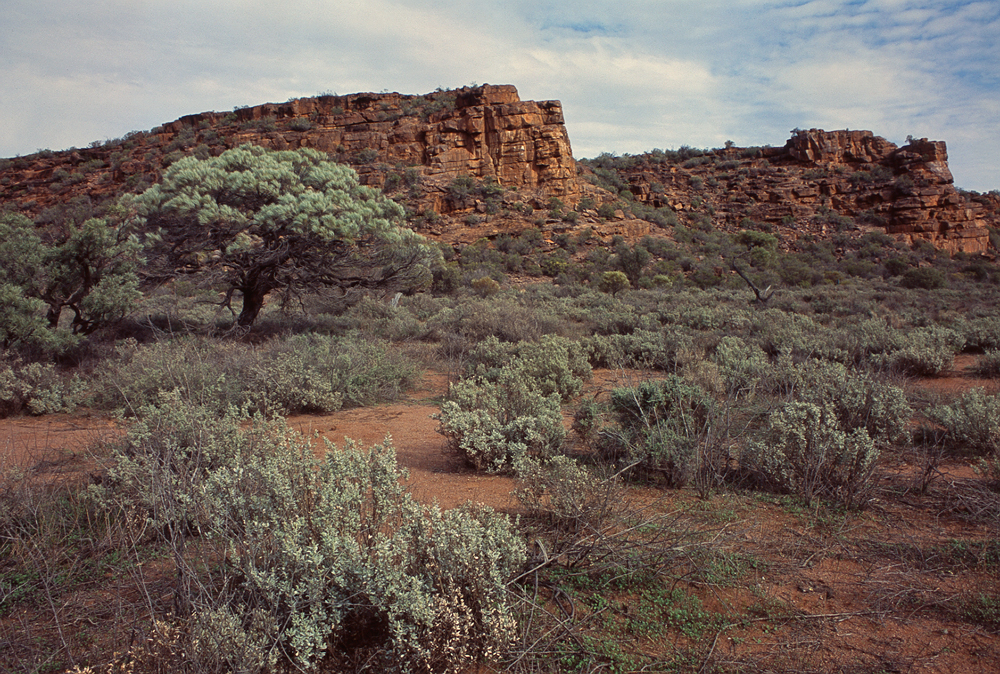
Blue bush, Myall and Whyalla sandstone, South Australia

Blue bush, Myall and sandstone, Whyalla, South Australia


Water lillies (Potamogeton) in a desert oasis, Murray-Sunset NP, Victoria

Water lillies in a desert oasis, Murray-Sunset NP, Victoria


Morning light on granite, Wilson Promontory NP, Victoria

Morning light on granite, Wilsons Promontory NP, Victoria


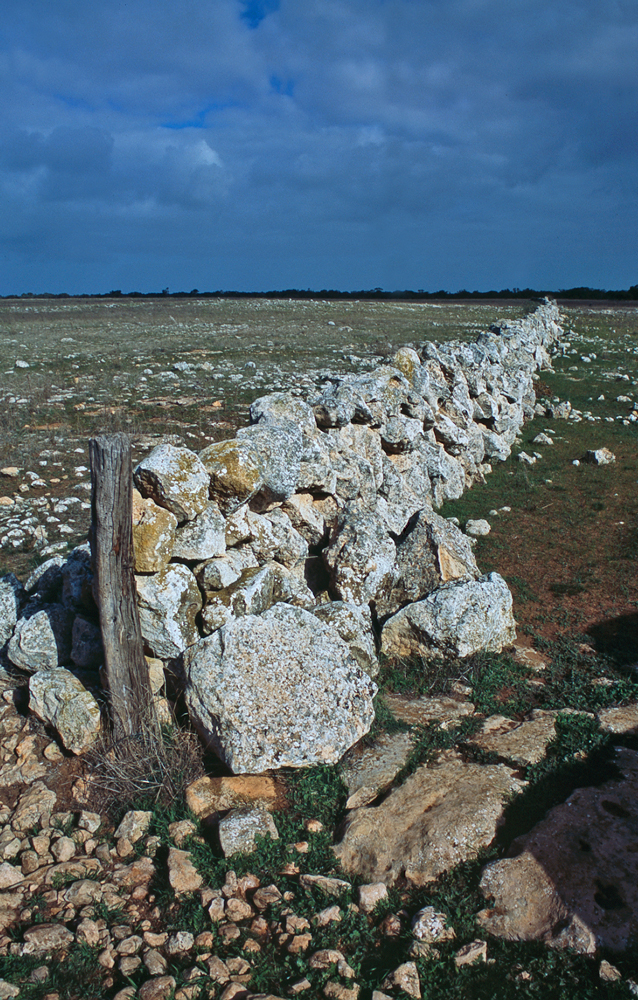
Limestone as far as the eye can see, Eyre Peninsula, South Australia

Limestone as far as the eye can see, Eyre Peninsula, South Australia


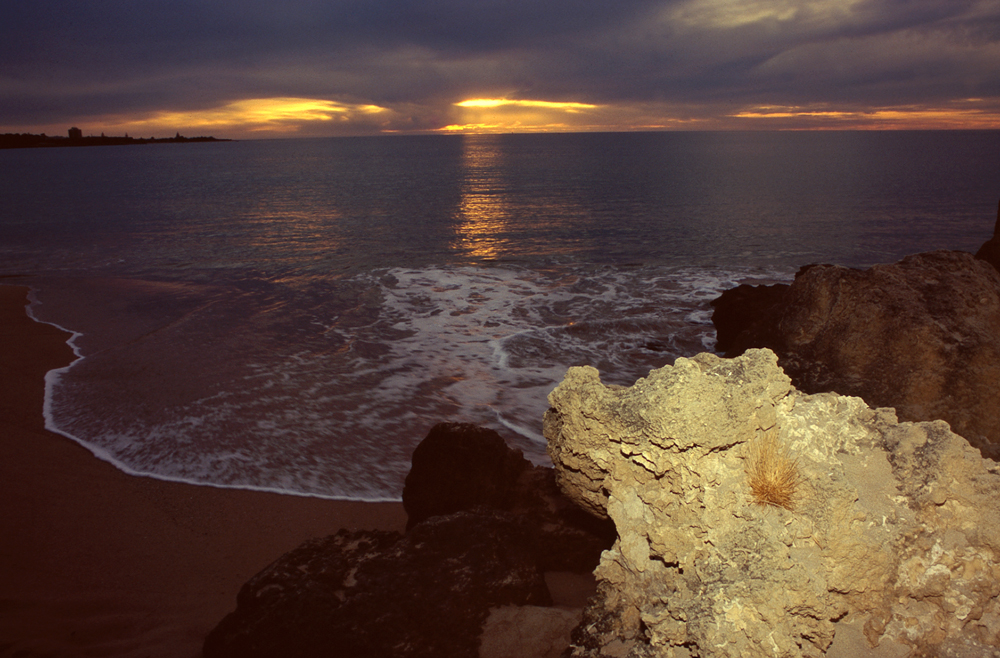
The sun dips below the western horizon, Mandurah, Western Australia

The sun dips below the western horizon, Mandurah, Western Australia


Conservation Photos Part IV: Landscapes

If I had to sum up my research in one word it would be autecology. I’m fascinated by the stories of individual species. Their life-histories, their patterns of activity and dispersal, their diets, their habitat requirements. In short, the axes that influence the survival of individuals and populations. But it’s just my particular window on ecosystem function. It’s a form of abstraction. Like all applied ecologists, I’m ultimately concerned with the persistence of entire ecosystems. So how does an autecologist indulge their passion for ecosystems directly? Through landscape photography, of course!

Morning light on the grassy woddlands of Lake Tutchewop, Victoria

Morning light on the open woodlands of Lake Tutchewop, Victoria

Sub-tropical rainforest of the Nightcap Range, NSW

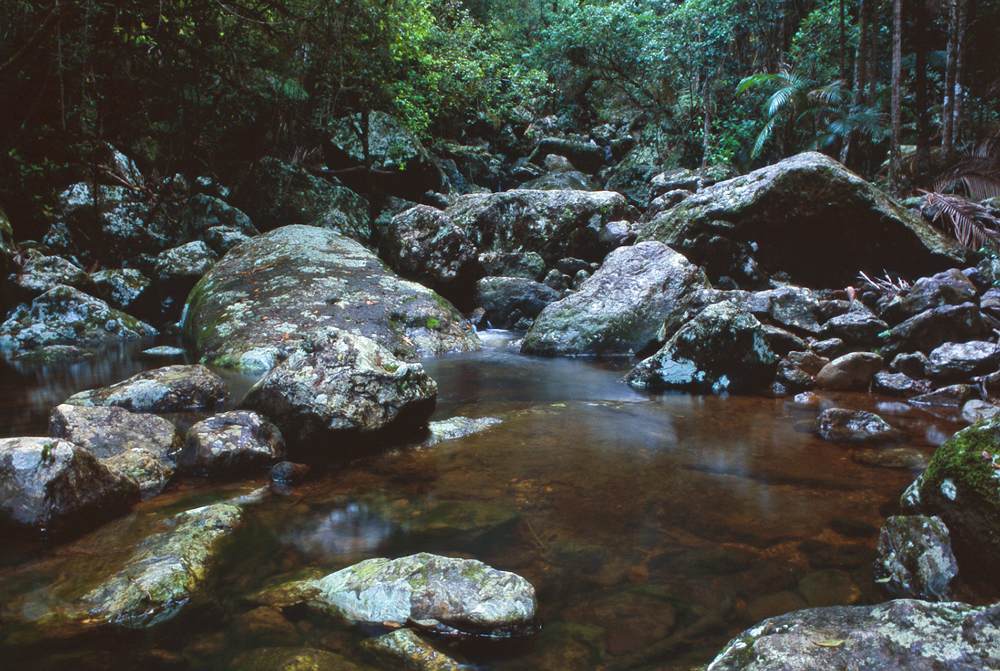
The clear waters of a sub-tropical rainforest stream in the Nightcap Range, NSW

Waning moon over the Red Gum woodlands of southern New South Wales

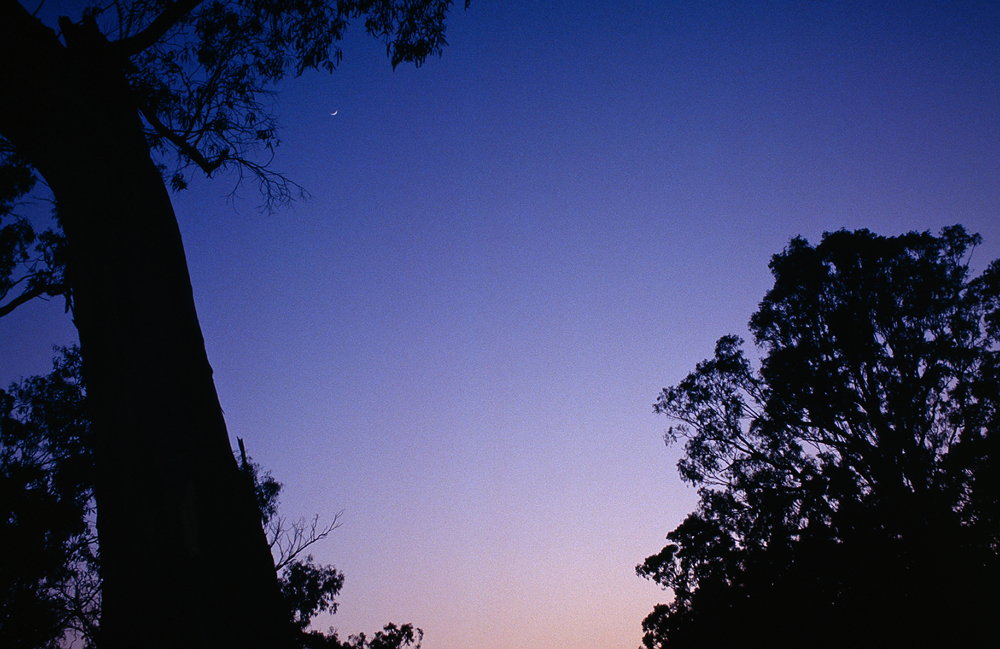
Waxing moon over the Red Gum woodlands of southern New South Wales

Limestone bluffs of south-western Western Australia

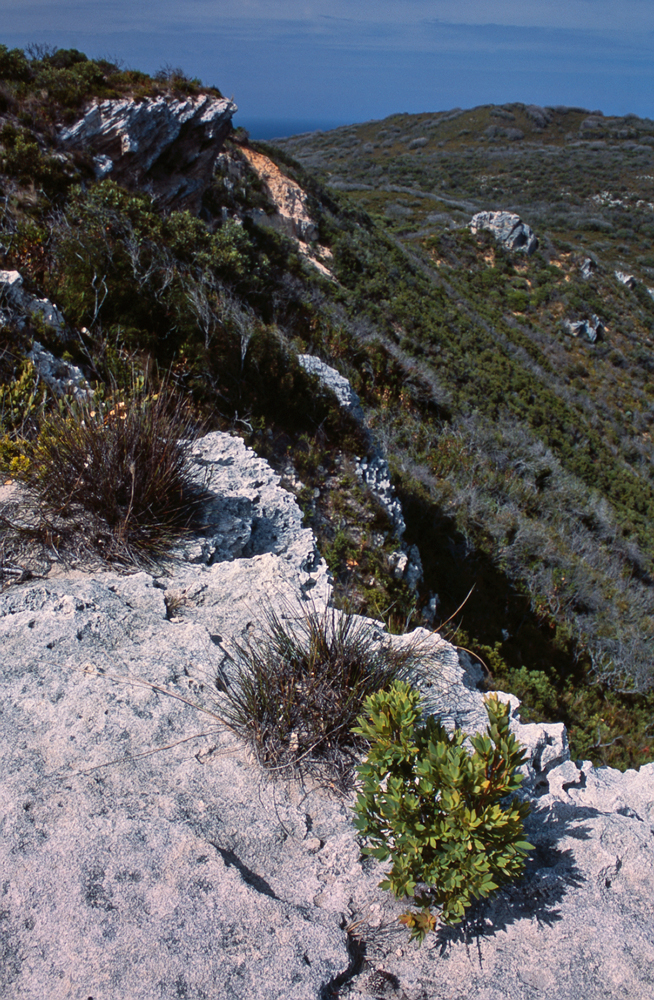
Limestone heaths of south-western Western Australia


Granite scree of Mt Hope, Victoria

The granite heathlands of Mt Hope, Victoria

Cascade of a Mt Baw Baw rivulet

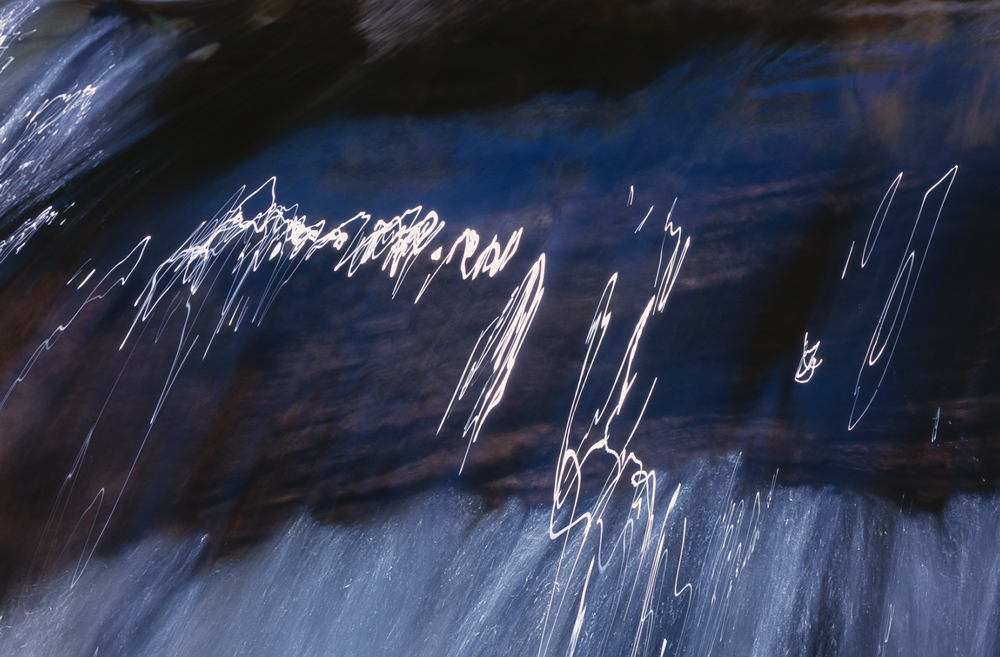
Light dancing on a Mt Baw Baw rivulet

Sandstone escarpment of Table Mountain, with the Murray Valley below

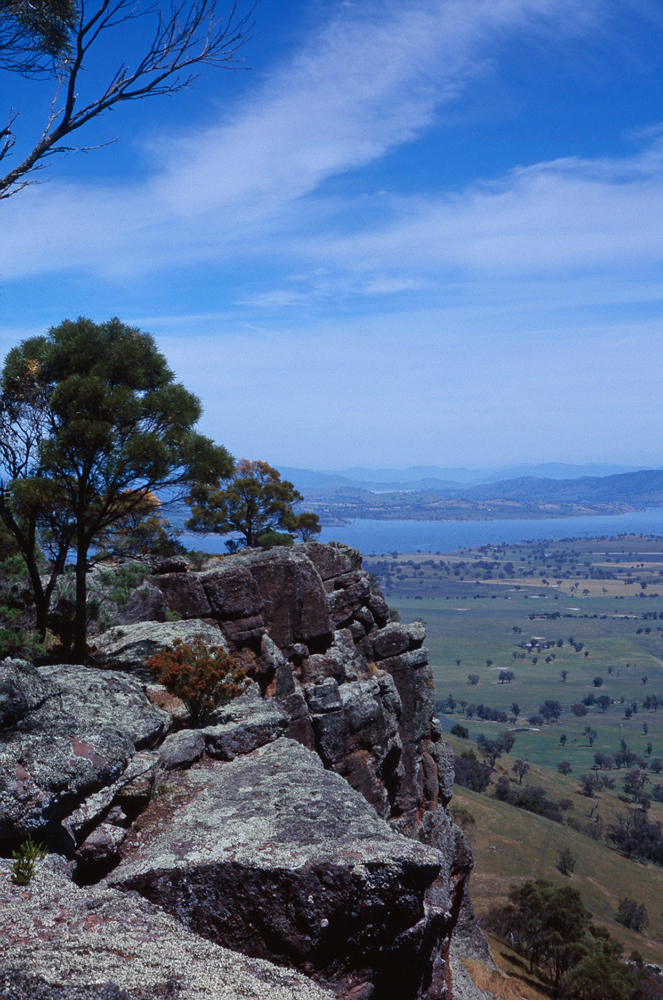
Sandstone escarpment of Table Mountain, with the Murray floodplain below


Storm brewing over an Alpine meadow

Storm brewing on an Alpine meadow

Deep summer in central Victoria

Deep summer amongst the granite inselbergs of central Victoria

Sunset on the Brunswick River estuary

Sunset on the Brunswick River estuary

Conservation Photos Part III: Melbourne’s Volcanic Plains

I couldn’t tell you how many hours I’ve spent wandering Melbourne’s volcanic plains. I grew up a just stones throw from them, on the sedimentary hills east of the Plenty River. Perhaps it is sacrilegious to say, but the volcanic plains were far more interesting for a boy obsessed with herpetology. Whereas the Red Box woodlands east of the river offered fleeting glimpses of the odd Garden Skink, the volcanic plains west of the river offered Little Whip Snakes, Brownsnakes, Tussock Skinks, Pobblebonks, Bluetongue Lizards, Cunningham Skinks, Copperheads, Tiger Snakes, Small-eyed Snakes. The choice was easy….

Eastern Water Skink, Eulamprus tympanum

Southern Water Skink, Eulamprus tympanum

Brown Tree Frog, Litoria ewingii

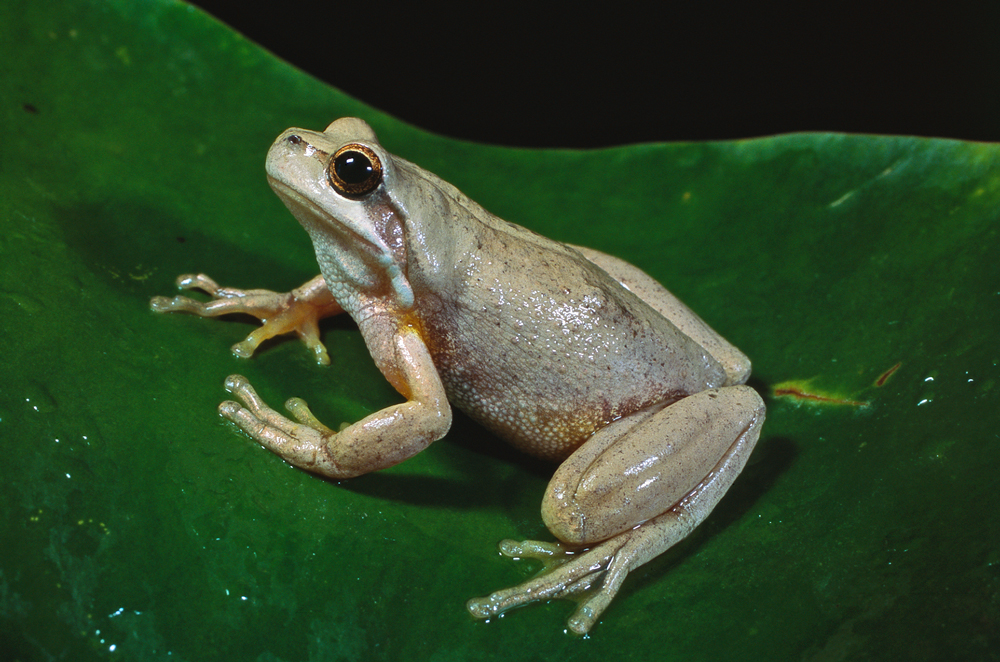
Brown Tree Frog, Litoria ewingii

Small-eyed Snake, Cryptophis nigrescens

Small-eyed Snake, Cryptophis nigrescens

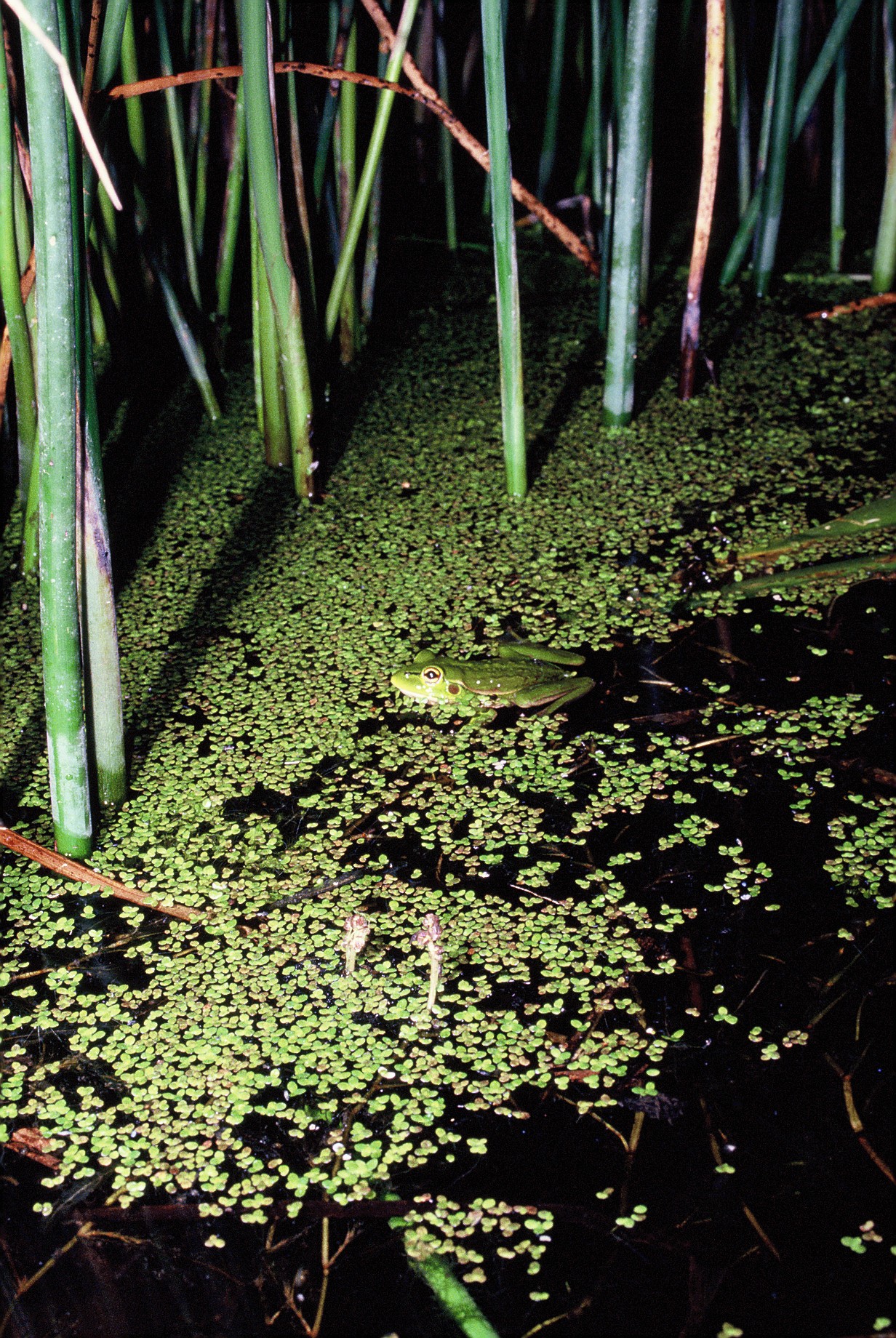
Growling Grass Frog, Litoria raniformis

Growling Grass Frog, Litoria raniformis

Striped Skink, Ctenotus robustus

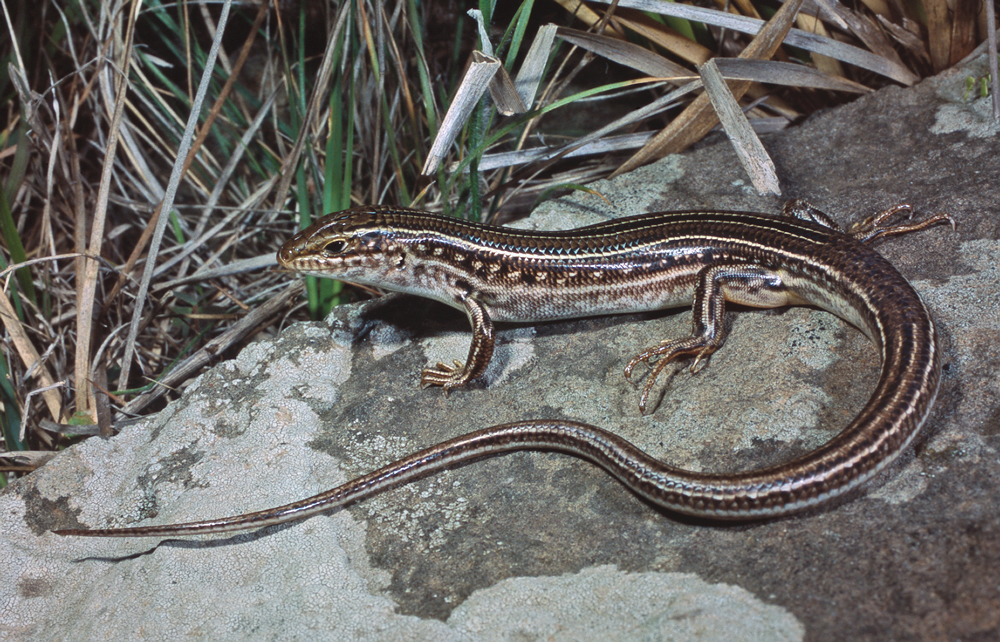
Striped Skink, Ctenotus robustus

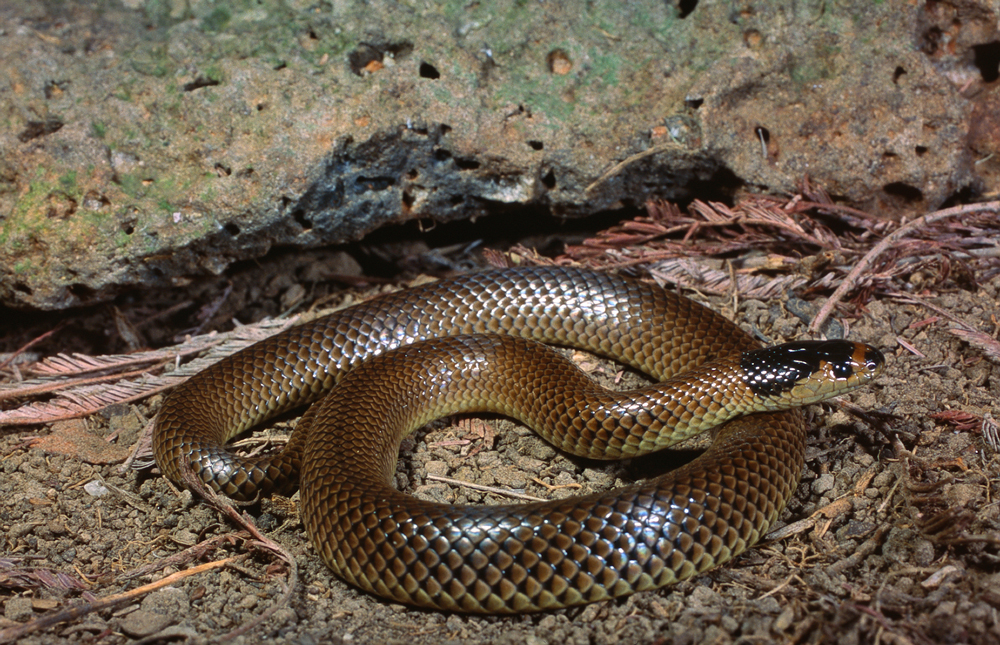
Common Brownsnake, Pseudonaja textilis

Common Brownsnake, Pseudonaja textilis

Tussock Skink, Pseudemoia pagenstecheri

Tussock Skink, Pseudemoia pagenstecheri

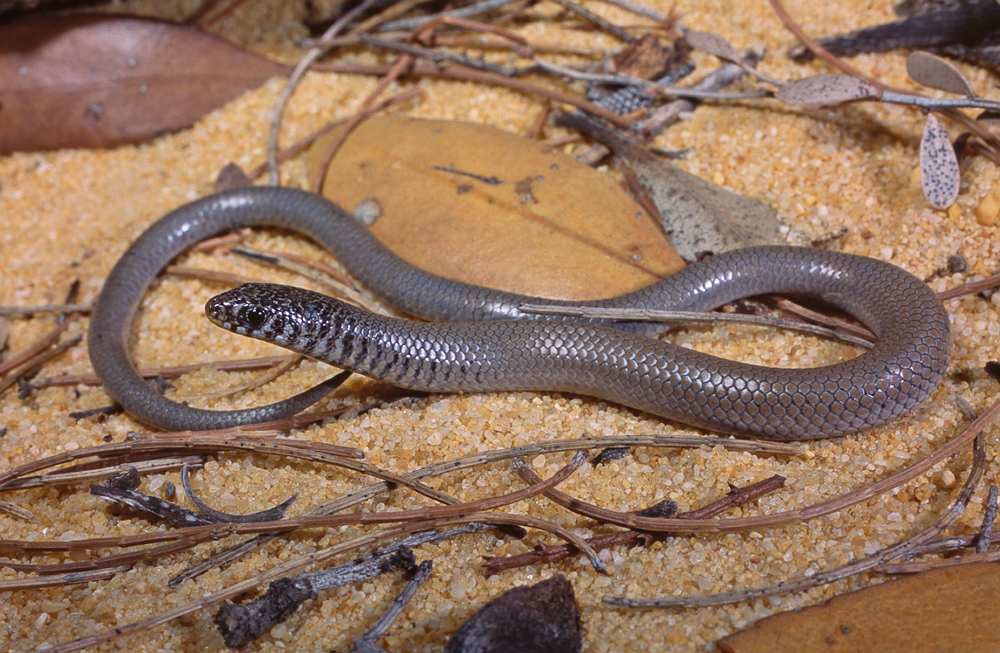
Little Whip Snake, Parasuta flagellum

Little Whip Snake, Parasuta flagellum

Pobblebonk, Limnodynastes dumerilii

Pobblebonk, Limnodynastes dumerilii

A Natural High

P1000983Tell me this – have you ever taken drugs? Yes? No? The answer depends on one’s definition, but I’ll bet that many of you will admit to dabbling in some form of stimulant. We are, as a society, obsessed with them. Dark aromatic shots of plant extracts; delicate paper tubes delivering wafts of nicotine; colourful vessels of molten sand filled with fermented fruit juice; little polyethylene baggies carrying a fine dust of crystalline tropane alkaloids. We have employed all our ingenuity in search of a high.

Why? Let me give you my theory. I think our craving for stimulants is an attempt to the replace the pulses of endorphins that once accompanied our daily rambling in the wilds. I can honestly say that nature has given me by far the biggest highs of my life. I’ve stood at the edge of Mt Meg’s spectacular granite bluffs, with blood coursing and nostrils flaring, and believed that I could soar off if only I had the courage to jump. I’ve perched atop dunes of the Big Desert and felt my skin tingle with awe. I’ve stood waist deep in the Merri Creek with a full moon overhead and frogs calling all around, and been so fulfilled that if I’d slipped into the murky depths at that very instant, I would have died happy.

My most recent of these experiences was also the most profound. It was March 2011. La Niña had just prized southern Australia loose from El Niños’ grasp, bringing rain and plenty of it. The Murray-Darling catchment, wilting and gasping after ten years of drought, was reborn. Floods spread across every inch of the basin, coalescing at the junction of the Murray and Darling Rivers in Victoria’s north-west. With haste, my old friend Jeremy Tscharke and I packed the car and headed north to glimpse the spectacle. What we found eclipsed even our wildest dreams. 

Land that two years before was literally dying of thirst was now heaving with life. Supposedly long dead Red Gums re-sprouted in effervescent green. Wetlands that we presumed had seen their last flood years before now brimmed with fish and turtles. Frogs reclaimed the flood plain in such numbers that one had to be careful where they placed their feet. It was stunning, and a truly humbling experience.

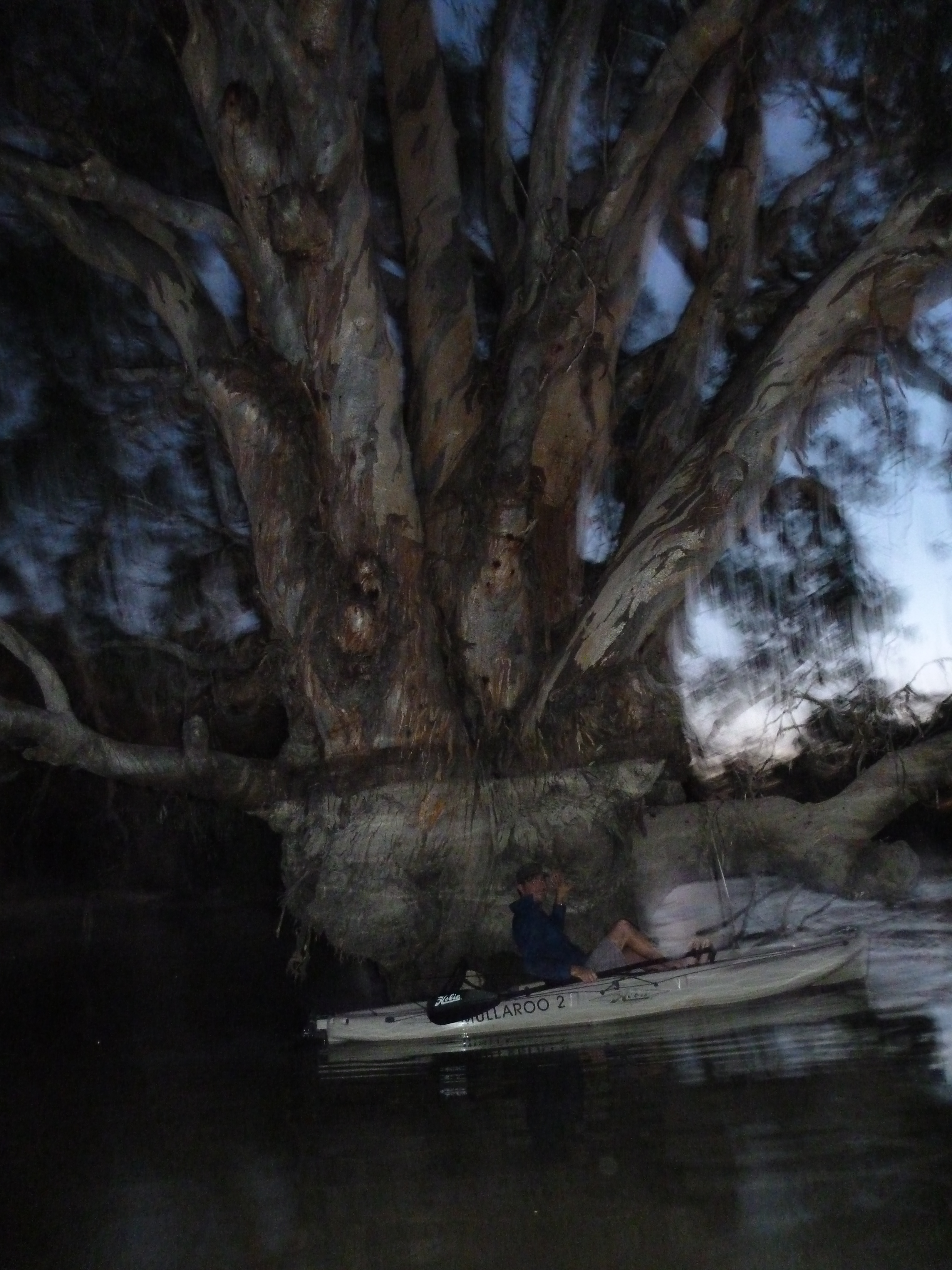
The climax was a sunset that Jeremy and I will never forget. We’d headed up a flooded Lindsay River in search of ‘Big Red’ – a Red Gum of gargantuan proportions we’d seen previously on aerial imagery. We found her just as the sun dipped below the western horizon. The sky progressed through golden, to pink and eventually to deep violet. As we marveled at this great tree, we talked about the history it had seen. Big Red would already have been a towering giant when Captain Cook sailed up Australia’s eastern seaboard. She could well have sheltered families of Aboriginal people from inclement weather, and her hollow limbs must have once been home to regionally extinct marsupials. Undoubtedly, she has seen scores of floods of the scale of the 2011 epic. This tree was, quite simply, a living piece of history that we could touch and caress and imbibe. We had found our Totem, and returned to camp with a sense of bliss that no substance could ever hope to replicate.

Dwarfed by Big Red

Dwarfed by Big Red. A little shaky, but steady hands are hard to come by under this beauty. Photo: J. Tscharke

Sunset on the Lindsay River I. Photo: J. Tscharke

Bliss I. Photo: J. Tscharke

Sunset on the Lindsay River II. Photo: J. Tscharke

Bliss II. Photo: J. Tscharke

Sunset on the Lindsay River III. Photo: J. Tscharke

Bliss III. Photo: J. Tscharke

Old Blighty

shamblesAvid followers of this blog (….crickets chirping in the background….) will know that it’s been a while since my last post. Four months to be exact. What I have I been up to? Well, in short, fighting my way through a mass of preparations for leaving Australia and heading to Old Blighty. To York to be exact. Yep, I’ve left the colony and headed back to the old country. I’ll be here for the next two years visiting Prof. Chris Thomas at the University of York and Dr Jenny Hodgson at the University of Liverpool. Chris and Jenny have long standing interests in metapopulation dynamics, and so their respective labs represent a logical place to hone my metapopulation capacities (there’s a masterful in-joke in there if you can spot it…). I’m here courtesy of the Victorian Government, who have packed me off to learn some new skills and extend my professional networks. It is a wonderful opportunity and I’m hugely excited about it!

New paper: ‘A Bayesian model of metapopulation viability, with application to an endangered amphibian’

f1000005.jpgLast night Diversity and Distributions published our latest paper, in a special issue entitled ‘Risks, Decisions, and Biological Conservation’.

The paper – co-authored by Mick McCarthy, Michael Scroggie, Kirsten Parris and John Baumgartner – describes an occupancy-based approach to metapopulation viability analyses that I think will prove a valuable extension to standard occupancy modelling.

Here’s the back story. In the early 2000’s, Darryl MacKenzie struck ecological gold by developing and publishing an occupancy modelling approach that accounts for imperfect detection. Darryl’s 2003 paper (co-authored with the gurus at the Patuxent Wildlife Research Center) was particularly influential. That paper describes a modelling approach that can be used to estimate the probabilities of extinction and colonisation for a given species using multi-season occupancy data, with the bonus of accounting for imperfect detection. But perhaps most mouth-watering for ecologists was the ability to model the probabilities of extinction and colonisation as functions of site- and landscape-level covariates (things like patch area, quality and connectivity) using standard regression techniques. Doing so allows hypotheses about the drivers of extinction and colonisation to be tested while accounting for imperfect detection.

Our paper builds on this functionality. What we’ve done is effectively tack on the ability to simulate extinction and colonisation dynamics for a given species based on the models of extinction and colonisation that result from Darryl’s approach. That is, we’ve developed a means of running occupancy-based metapopulation viability analyses using these models. We provide code for doing this in the Supplementary Material (see also my Code and data page).

It’s a fairly simple process conceptually. One fits a multi-season occupancy model to their particular dataset, estimates the effects of patch area, quality etc. on the probabilities of extinction and colonisation, extracts the parameters of the extinction and colonisation models, and then simulates the extinction and colonisation dynamics (and hence changes in occupancy) for a particular metapopulation according to these parameters. All that’s required for the simulations are measures of the relevant covariates for each site, and the initial occupancy status of each site.

The cool thing is that one can explore, using these simulations, how the metapopulation will respond to particular management scenarios. You can take away particular patches to represent habitat loss, you can tweak patch characteristics to represent habitat enhancement or degradation, and you can even add in new patches to see how habitat creation affects metapopulation viability. We do just that in the paper – examining the effect of habitat loss and creation on metapopulation viability for the endangered Growling Grass Frog (my particular muse….).

Now, in case Andrew Royle or Marc Kéry are reading, I best now tell you that we in fact used their 2007 Bayesian state-space version of Darryl’s approach. In a move that will surely see them breeze through the pearly gates, Royle and Kéry not only put in the hard-yards developing and publishing the Bayesian approach, but provided code to do it too.

The nifty thing about the Bayesian version is that it provides the opportunity to propagate uncertainty in the effects of patch characteristics on extinction and colonisation through to the simulations. I’ll leave it to the paper to explain how, but what we end up with are probability distributions for the metrics of metapopulation viability that not only encompass uncertainty due to the stochasticity of the modelled dynamics, but also from uncertainty in the parameters of the extinction and colonisation models.

That’s the approach in a nutshell. If you’d like a copy of the paper but can’t get through the paywall, just drop me a line and I’ll email it through. Otherwise, go forth and simulate!

Code and data

Picture3For some time now I’ve been thinking about using this website as a platform for sharing statistical code and data from papers that I’ve published. Well, I’ve finally made a start – take a peak at my imaginatively named new page ‘Code and data’

I’ve got two primary motivations for uploading code and data from my papers. The first is that I’ve benefited on numerous occasions from the generosity of others who have shared their code with me. From supplementary material in published papers to emails with bits of code I’ve requested, I simply could not have completed some of my research without these generous offerings. I hope to return that favour here.

The second reason is that I want the data I’ve collected to be available to others, either for further dedicated analyses or for use in meta-analyses. The further I go through my career the more I realise just how precious data are. The time, effort and money required to gather field data is perhaps evidence enough. Sadly though, recent experience has taught me just how quickly one’s data can become a vital record of what was once was.

So, swing over to ‘Code and data’ and take a look. I’ll update the page as new papers come out, and work on filling in my back catalogue over the next few months.

Just one request – if you use the code or data presented on this website, please cite the relevant paper, or, if there isn’t one to cite, cite this website instead.

Enjoy!

Conservation photos, part II: Big Desert

I’m a big fan of the Big Desert. It’s a subtle place. Like a grassland, you have to get up close and personal with it to discover its treasures. It has no towering trees, no roaring waterfalls, no charismatic megafauna. It is miles and miles of rolling sand dunes and Mallee heath. After a fire, it is white sand and black sticks, little else. And yet the Big Desert is a biodiversity wonderland. Ants, scorpions, centipedes, bees, wasps, butterflies, moths, cicadas. The insects hum day and night. As do the reptiles that chase them, and each other…

Thick-tailed Gecko, Underwoodisaurus milii

Thick-tailed Gecko, Underwoodisaurus milii


Lined Worm Lizard, Aprasia striolata

Lined Worm Lizard, Aprasia striolata


A sample of Mallee heath

A sample of Mallee heath


Mitchell’s Short-tailed Snake, Parasuta nigriceps

Mitchell’s Short-tailed Snake, Parasuta nigriceps


Burton's Legless Lizard, Lialis burtonis

Burton’s Legless Lizard, Lialis burtonis


Marbled-faced Delma, Delma australis

Marbled-faced Delma, Delma australis


Wood Gecko, Diplodactylus vittatus

Wood Gecko, Diplodactylus vittatus


Bardick, Echiopsis curta

Bardick, Echiopsis curta


Eastern Spiny-tailed Gecko, Strophurus intermedius

Eastern Spiny-tailed Gecko, Strophurus intermedius


And to finish - sunset, Big Desert style.

And to finish – sunset, Big Desert style.


New paper: Structure and fragmentation of growling grass frog metapopulations.

PlotJust prior to Christmas, Conservation Genetics delivered us a present in the form of acceptance and rapid fire publication of a study we commenced way back in 2004. The publication process never ceases to amaze me. After years of toil collecting data, several more years of painstaking lab work, and finally the rigors of a multi-author drafting process, this paper took just weeks to go from being accepted, through proofing to online-early publication. In fact, to my astonishment, we received proofs a mere five days after the paper was accepted, two days of which were a weekend!

But back to the paper itself. In 2004 I was a shiny new PhD student, champing at the bit to decode the population biology of the growling grass frog. I began a mark-recapture study on the species north of Melbourne, and diligently went about obtaining tissue samples from each frog I captured for a later, prospective, genetics study. Two years and 800 frogs later, the opportunity arose to get that work underway. Josh Hale had just started his own PhD on the conservation genetics of frogs in urbanising landscapes, and was keen to collaborate on the growler project. Josh’s first task was to develop a microsatellite library for the species. He emerged from the lab a year later, gasping for air and 10 kilos lighter, bearing nine new microsatellite loci for our little green friends. You can read about those in another paper, found here. Josh then set about genotyping ~200 growlers from three population clusters that I sampled during my mark-recapture work. These clusters, which I prefer to call metapopulations, were distributed along the Merri Creek at roughly 5 km intervals. Each included pools along the creek, plus neighbouring wetlands such as quarries, swamps and farm dams. Josh used his microsatellite data to assess the pattern of population subdivision in this area, and to test the effect of geographic distance and urban barriers on genetic distance.

So what did we find? In short, remarkable levels of genetic sub-division. Growlers have long been thought to be highly dispersive; vagabonds that wander the landscape in search of optimal conditions. On the contrary, our genetic work indicates that while individual frogs may be able to undertake significant journeys, the majority either can’t or don’t. Josh’s work found strong genetic sub-divisions between each of the wetland clusters I sampled, and even some sub-division within population clusters. The latter is especially interesting because the distances involved are small – 2 km max. Thus, in line with our previous occupancy and mark-recapture work (described here), Josh’s genetic work suggests that the migration rates of growlers are low and strongly distance-limited.

Another important outcome was the fact that populations separated by housing estates, industrial estates or dual-carriage roads displayed relatively high genetic distances. We can infer from this that urbanisation does indeed fragment populations of growlers; something we’ve long suspected but lacked any specific evidence of. It’s not a surprising result – imagine yourself as a little green frog attempting to cross a dual-carriage highway. But it is a vital piece of the puzzle for our understanding of the effects of urbanisation on this species, and for mitigating those effects.

Where to from here? Well, now that you mention it, our molecular work continues. Claire Keely, a PhD student in the QAEG, is working on the broader genetic structure of growlers around Melbourne, the fine-scale determinants of gene flow, and the efficacy of alternate tissue sampling techniques. You can read more about Claire’s great work here. As for Josh and I, we have one more paper to go from our collaboration. It’s a gooden too – a comparison of contemporary genetic diversity in growler populations from the Merri with a now extinct population from the adjacent Plenty River catchment. Think ancient DNA techniques and pickled frogs collected way back in the 1960s. Oh yes, there’s an exciting blog post in that. Stay tuned…

A tribute to AJC

In August 2001, as a whipper-snapper of 22, I met A. John Coventry, Emeritus Curator of Herpetology at Museum Victoria. That day is memorable for more ways than one.

First and foremost, it was the day I met ‘the man’ in Victorian herpetology. AJC had just stepped down from a stint at the Museum spanning 50 years. An incredible length of time, and an incredible contribution to Victorian herpetology. Over that time he had amassed and curated an extraordinarily detailed herpetological collection, discovered several new species, recorded others that were new to the state, and conducted an extensive study of the herptofauna of the Victorian Mallee that laid the ground work for many of the recent ecological studies in this region. But this is just a snippet of AJC’s activities. Peruse the acknowledgements section of just about any herpetological paper, thesis or report with Victorian origins from the second half of last century and there he will be, receiving copious thanks for his time, support and expertise. For a young man besotted with herpetology, you can imagine that meeting AJC was somewhat intimidating.

The second thing that I remember very clearly from that day in 2001 is the sight of AJC catching the biggest and meanest Brownsnake I’ve ever laid eyes on. We were knee deep in grass on a stony knoll adjacent to the Craigieburn Grasslands – prime Brownsnake territory. On this particular day we were working with a crew of Botanists, one of whom suddenly yelped and headed off at break-neck speed. AJC knew exactly what it meant. In flash he had pounced, emerging from long grass with 6ft of writhing, hissing fury. It was a joy to behold.

Over the next six years, courtesy of Peter Robertson, I had the great pleasure of joining AJC on field trips far and wide. AJC was a font of herpetological knowledge, and gave freely of his wisdom. But he was also, quite simply, a fantastic person to be around. His humour was unique – a combination of ancient ‘Dad’ jokes and cheeky boyish naughtiness. Yet he was a statesman too. I would marvel at his inner discipline and resolve. It didn’t matter if he had just spent his fifth night sleeping on a Banana lounge in the middle of nowhere, AJC would be up at the crack, boiling the billy, with a glint in his eye and readiness to lead us off for another day chasing lizards in the sun. And this was after two hip replacements! Incredible stuff.

Fittingly, AJC’s final days were spent in the Mallee doing what he loved. I was there again courtesy of AJC’s great friend and colleague, Peter Robertson. I’ll be eternally grateful to Peter for taking me on that trip. We were searching for Heath Skinks (Liopholis multiscutata) on the tall dunes of the Big Desert. Years before, Peter and AJC had discovered a population of this species in the heart of the Desert, and our objective was to clarify its regional distribution. AJC was in fine form, tearing up and down dunes, leaving me in his wake. We found several new populations, and went home happy with our achievements.

Sadly, not long after arriving home and retiring for the night, AJC’s heart gave out. Peter rang me the next morning with the terrible news, and I bawled and bawled.

But AJC’s legacy lives on. As well as his many scientific contributions, AJC leaves behind a network of Mallee parks whose gazetting sought to protect the biological diversity he played no small part in documenting. Next time you find yourself in the Big Desert marveling at the vista of Mallee heath, think of AJC. If there is a Heaven, his is there, sitting beside a Mallee root fire, with billy boiling and a sea of stars overhead.

AJC laying a pit line, Big Desert, 1979 (Photo: P. Robertson)

AJC laying a pit line, Big Desert, 1979 (Photo: P. Robertson)

Relaxing after a long day in the sun, 1979 (Photo: P.   Robertson).

Relaxing after a long day in the sun, 1979 (Photo: P. Robertson).

Dale Gibbons and I seek some wisdom from the great man

Dale Gibbons and I seek some wisdom from the great man. (Photo: P. Robertson)
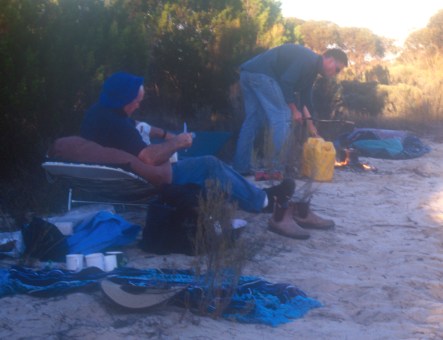
Sleeping rough didn't phase AJC. Nor Nick Clemann for that matter (in background).

Sleeping rough didn’t faze AJC. Nor Nick Clemann for that matter (background). I was the only one who took a tent.

AJC inspects the damage after a fire swept Heath Skink habitat in the Big Desert, 2002
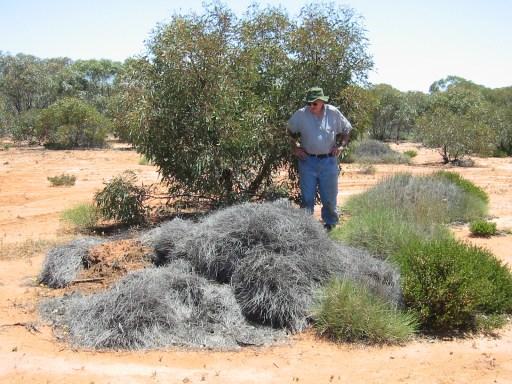
AJC inspects the damage after a fire swept Heath Skink habitat in the Big Desert, 2002

AJC contemplate the lizards that lie therein (Photo: P. Robertson).
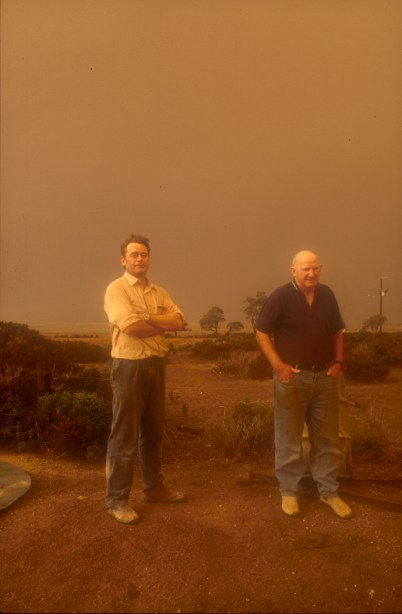
AJC contemplates the lizards that lie therein (Photo: P. Robertson).

AJC and Peter Robertson: thick-as-thieves. Prungle, 2002

Peter Robertson and AJC: thick-as-thieves. Prungle, 2002

AJC's last morning in his beloved Big Desert.
AJC’s last morning in his beloved Big Desert.